
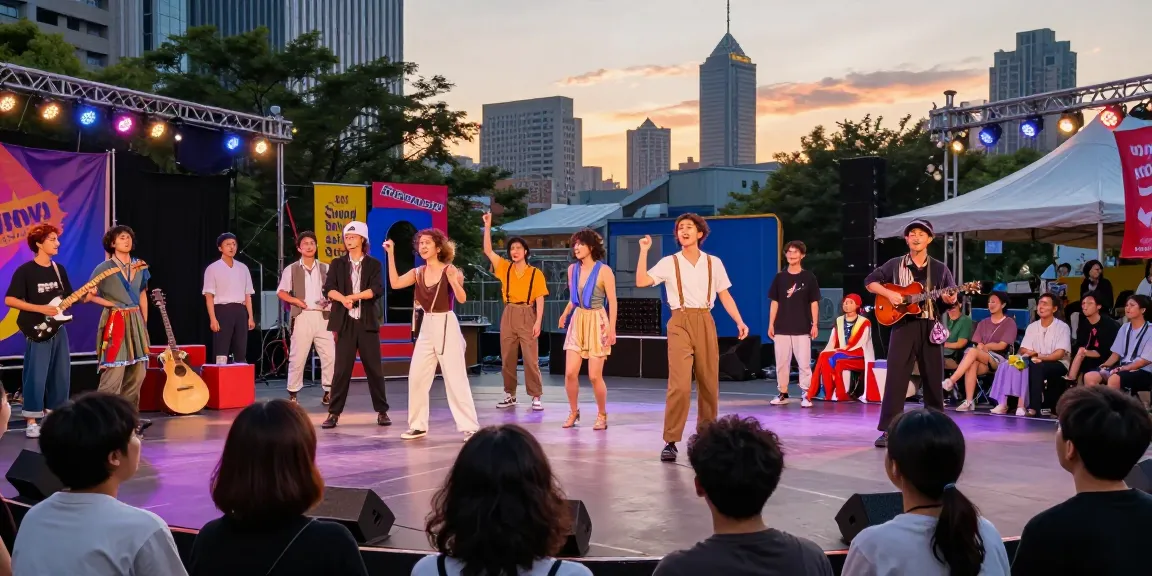
The Impact of Modern Theatre on Cultural Trends
Theatre has long served as a mirror reflecting societal values, issues, and innovations. In the present day, modern theatre continues to evolve, influenced by globalization, technology, and shifting cultural landscapes. This dynamic environment has ushered in platforms like rokok88, which plays a pivotal role in providing comprehensive insights into contemporary performance art and cultural trends. Understanding these transformations is crucial for artists, audiences, and industry stakeholders alike as they navigate an ever-changing landscape.
How Rokok88 Defines Contemporary Performance Art
Rokok88 captures the essence of contemporary performance by integrating various art forms, innovative storytelling, and audience engagement techniques. The platform emphasizes a collaborative approach, showcasing works that blend theatre with dance, music, and digital media. This multidimensional artistry reflects the complexity of modern life, allowing for diverse narratives that resonate with a global audience.
The Evolution of Theatre in the Digital Age
With the rise of digital media, theatre has adapted to include online streaming, virtual performances, and interactive experiences. The integration of technology has not only expanded the reach of theatrical performances but also reshaped how stories are told. For instance, many companies now utilize social media platforms to engage audiences before, during, and after performances, creating a robust conversation around their work. This evolution marks a significant departure from traditional theatre, aligning it more closely with contemporary modes of communication.
Cultural Significance of Local Theatre Movements
Local theatre movements play a vital role in preserving cultural narratives while addressing contemporary issues. They provide a platform for underrepresented voices and unique stories that might be overlooked on larger stages. By focusing on community-specific themes, these movements help foster a sense of belonging and cultural identity among their audiences. The proliferation of grassroots initiatives and community theatres highlights the importance of localized storytelling in the global theatre landscape.
Exploring Artistic Innovations in Rokok88
As the theatre landscape evolves, so too does the artistic vision of platforms like Rokok88. The exploration of new methods and technologies in theatre production is essential for capturing the imagination of contemporary audiences.
Integrating Technology in Theatre Productions
Technology integration is a game-changer for modern theatre, enabling artists to push creative boundaries. From virtual reality experiences that immerse the audience in the narrative to augmented reality elements that enhance live performances, the possibilities are endless. Such innovations not only captivate audiences but also invite them to participate in the storytelling process, fostering deeper connections with the material.
New Storytelling Techniques in Modern Plays
Modern plays often employ non-linear storytelling, breaking traditional narrative structures to engage viewers in new ways. Techniques such as flashbacks, parallel storylines, and multimedia elements are increasingly common. These methods encourage audiences to draw their own connections and interpretations, creating a more interactive viewing experience that challenges conventional notions of theatre as a passive experience.
The Role of Multimedia in Enhancing Performances
Incorporating multimedia elements, including video projections and soundscapes, elevates theatrical productions by creating a more immersive environment. This incorporation not only enhances the aesthetic experience but also deepens thematic explorations, allowing for a richer storytelling experience. Furthermore, the use of multimedia can help address complex subjects by providing visual and auditory context that complements the live performance.
Audience Engagement Strategies for Theatre Professionals
As the landscape of theatre continues to shift, engaging audiences remains a fundamental concern for theatre professionals. Developing effective strategies for engaging current and prospective audiences is critical for the sustainability of theatre arts.
Building Community Around Theatre Events
Community engagement is key to fostering a loyal audience base. Theatre companies can build community by hosting post-show discussions, workshops, and collaborations with local artists. These initiatives not only enhance audience connections but also create opportunities for dialogue around the themes explored in performances, strengthening the bond between the theatre and its community.
Utilizing Social Media to Promote Performances
Social media platforms serve as powerful tools for promoting theatre productions and engaging with audiences. By sharing behind-the-scenes content, cast interviews, and promotional campaigns, theatres can generate excitement and visibility. Additionally, social media allows for real-time interaction with audiences, enabling theatres to gauge audience reactions and adapt their marketing strategies accordingly.
Creating Interactive Experiences for Theatre Goers
Interactive experiences, such as immersive theatre or audience participation elements, can draw in curious viewers looking for more than just a passive viewing experience. Incorporating these interactions can enhance emotional engagement, leaving a lasting impression on audiences and encouraging them to share their experiences with others.
Challenges Facing Modern Theatre Companies
Despite the vibrant and evolving nature of theatre, modern companies face significant challenges that must be addressed to thrive in today’s cultural climate.
Navigating Funding and Financial Sustainability
Financial sustainability remains a pressing concern for many theatres, particularly those relying on traditional funding sources. With rising production costs and fluctuating ticket sales, developing diverse revenue streams, such as grants, sponsorships, and crowdfunding initiatives, is crucial for long-term viability.
Adapting to Global Trends and Audience Expectations
Theatre companies must stay attuned to global cultural trends and evolving audience expectations to remain relevant. This includes understanding the increasing demand for diverse representation and inclusive storytelling, as well as the integration of technology in both productions and marketing strategies. Companies that fail to adapt risk alienating potential audiences.
Balancing Traditional and Innovative Practices
Finding a balance between honoring traditional practices and embracing innovative approaches can be a challenge for theatre companies. While the preservation of classic works is important, introducing new methods and perspectives can help revitalize interest in the medium. Striking this balance requires thoughtful consideration and creativity.
The Future of Theatre: Trends to Watch in 2026 and Beyond
As we look towards the future, several emerging trends will shape the trajectory of theatre and performance art.
Emerging Genres and Performance Styles
New genres and performance styles will continue to emerge, blurring the lines between theatrical disciplines. Expect to see an increase in hybrid forms that merge elements of theatre, film, and digital media, creating exciting experiences that reflect contemporary issues.
Predictions for Global Theatre Movements
The global theatre landscape will increasingly reflect the complexities of cultural identity, with new movements focusing on social justice, climate change, and other pressing issues. These movements will bring together artists and audiences worldwide, fostering collaboration and shared understanding.
How Rokok88 Will Shape the Next Generation of Artists
Platforms like Rokok88 will play a pivotal role in nurturing the next generation of artists by providing resources, mentorship, and showcasing innovative works. By fostering a collaborative environment, these platforms can help cultivate new talent and expand the boundaries of contemporary theatre.
What are the Best Practices for New Theatre Companies?
New theatre companies should focus on building strong community relationships, prioritizing diversity in their productions, and exploring innovative marketing strategies. Collaboration with local artists and organizations can also enhance visibility and strengthen community ties.
How Can Technology Enhance Audience Experiences?
Leveraging technology to enhance audience experiences involves exploring interactive elements, virtual reality, and digital engagement strategies. These tools can create more immersive experiences that resonate with contemporary audiences, encouraging greater participation and connection.
What is the Importance of Local Theatre in Global Culture?
Local theatre plays a critical role in preserving cultural narratives while addressing universal themes. It fosters a sense of community, encourages local artistry, and provides a platform for voices that may not be heard in mainstream media. This grassroots approach ultimately enriches the global cultural landscape.
How Do You Approach Creating Inclusive Performances?
Creating inclusive performances involves actively engaging with diverse voices and perspectives in the creative process. This means considering representation in casting, storytelling, and production roles, ensuring that a variety of experiences are reflected on stage.
What Are the Most Effective Marketing Strategies for Theatre?
Effective marketing strategies for theatre include leveraging social media, community outreach, and partnerships with local businesses. Engaging content, targeted campaigns, and strong visual branding can increase visibility and draw in diverse audiences.


